image

Photography

Always Behind The Lense

image

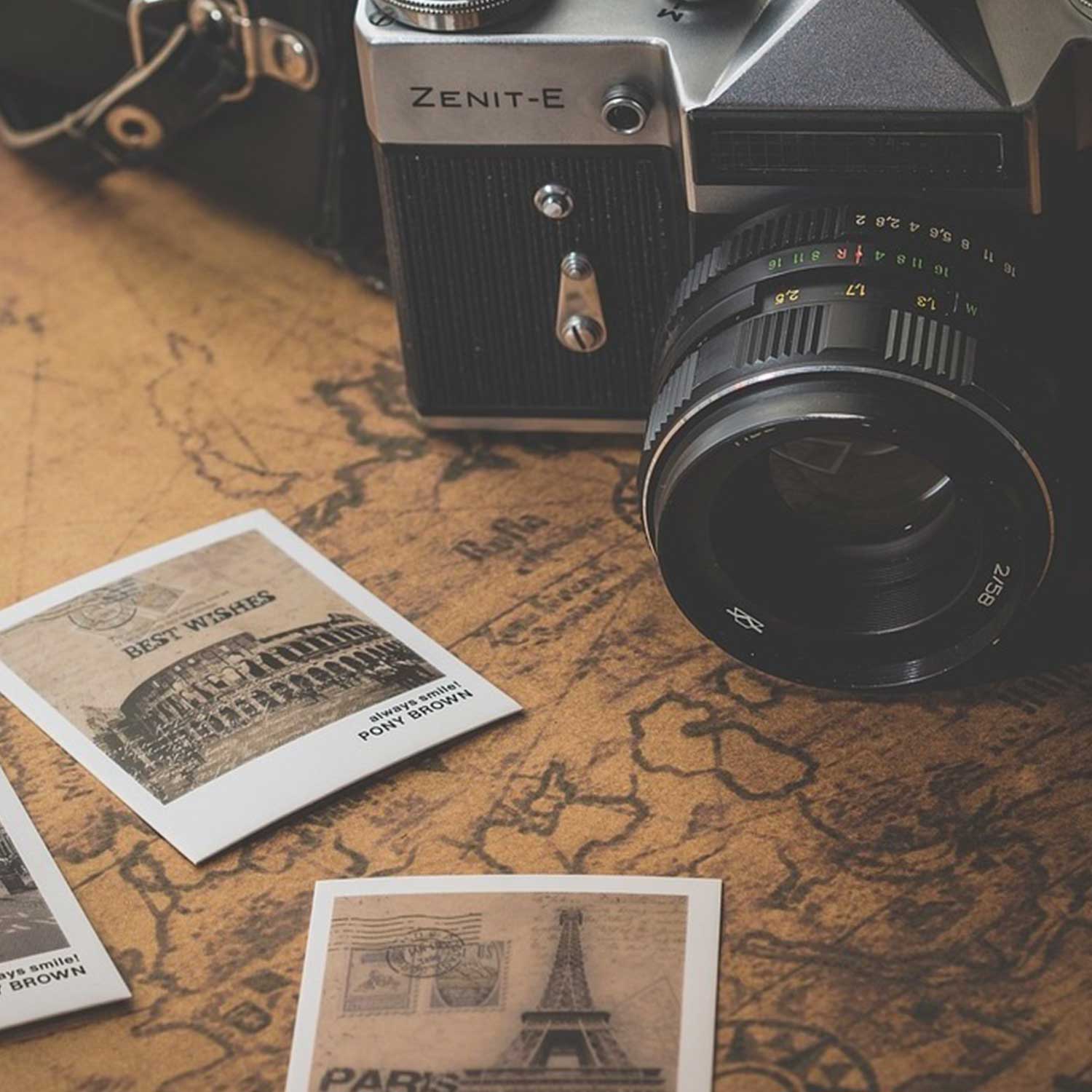
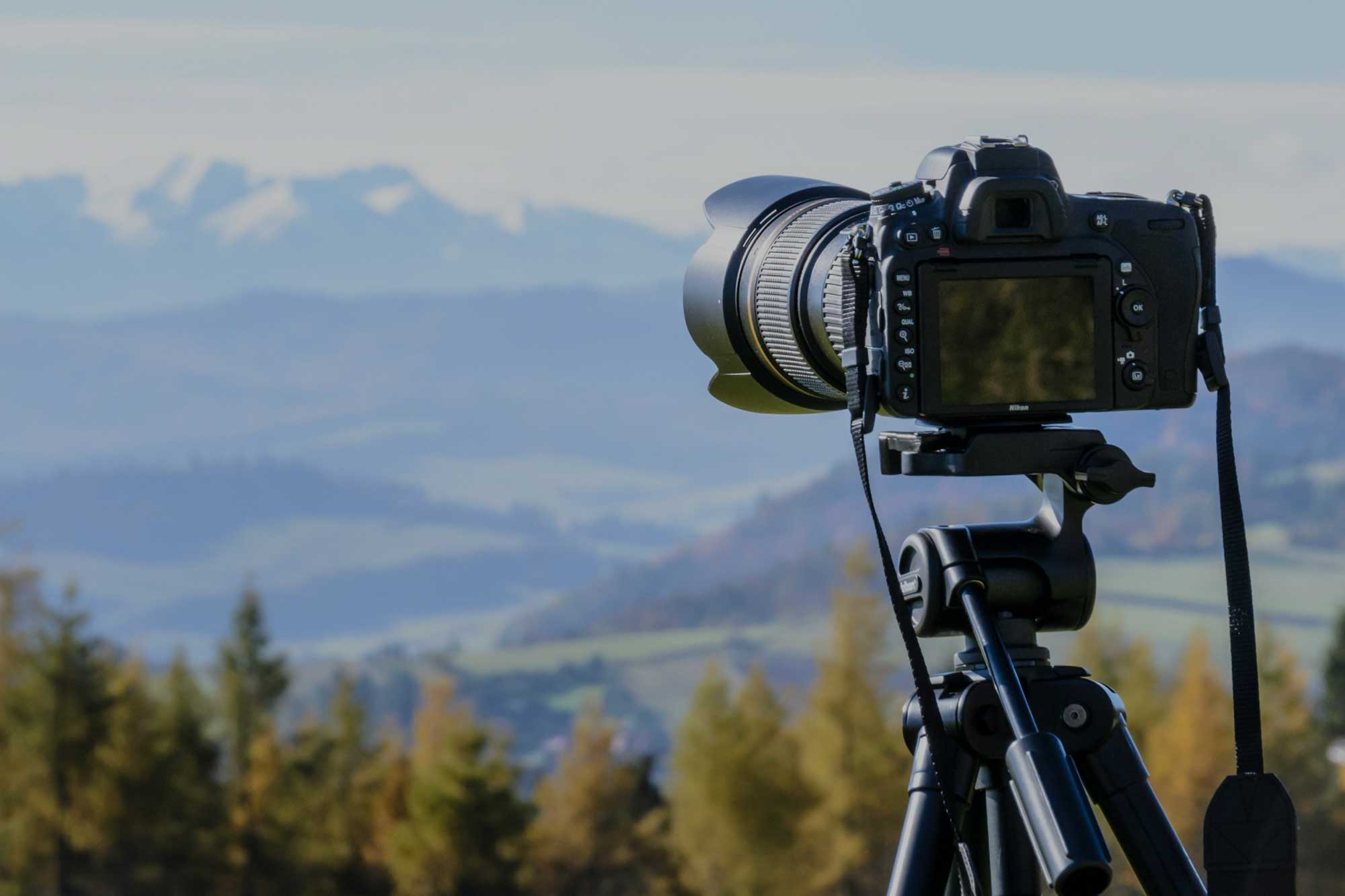
Photography is the art, application, and practice of creating durable images by recording light, either electronically by means of an image sensor, or chemically by means of a light-sensitive material such as photographic film. It is employed in many fields of science, manufacturing (e.g., photolithography), and business, as well as its more direct uses for art, film and video production, recreational purposes, hobby, and mass communication.[1] Typically, lens is used to focus the light reflected or emitted from objects into a real image on the light-sensitive surface inside a camera during a timed exposure. With an electronic image sensor, this produces an electrical charge at each pixel, which is electronically processed and stored in a digital image file for subsequent display or processing. The result with photographic emulsion is an invisible latent image, which is later chemically "developed" into a visible image, either negative or positive, depending on the purpose of the photographic material and the method of processing. A negative image on film is traditionally used to photographically create a positive image on a paper base, known as a print, either by using an enlarger or by contact printing

Photo of sunset
Wedding Photography

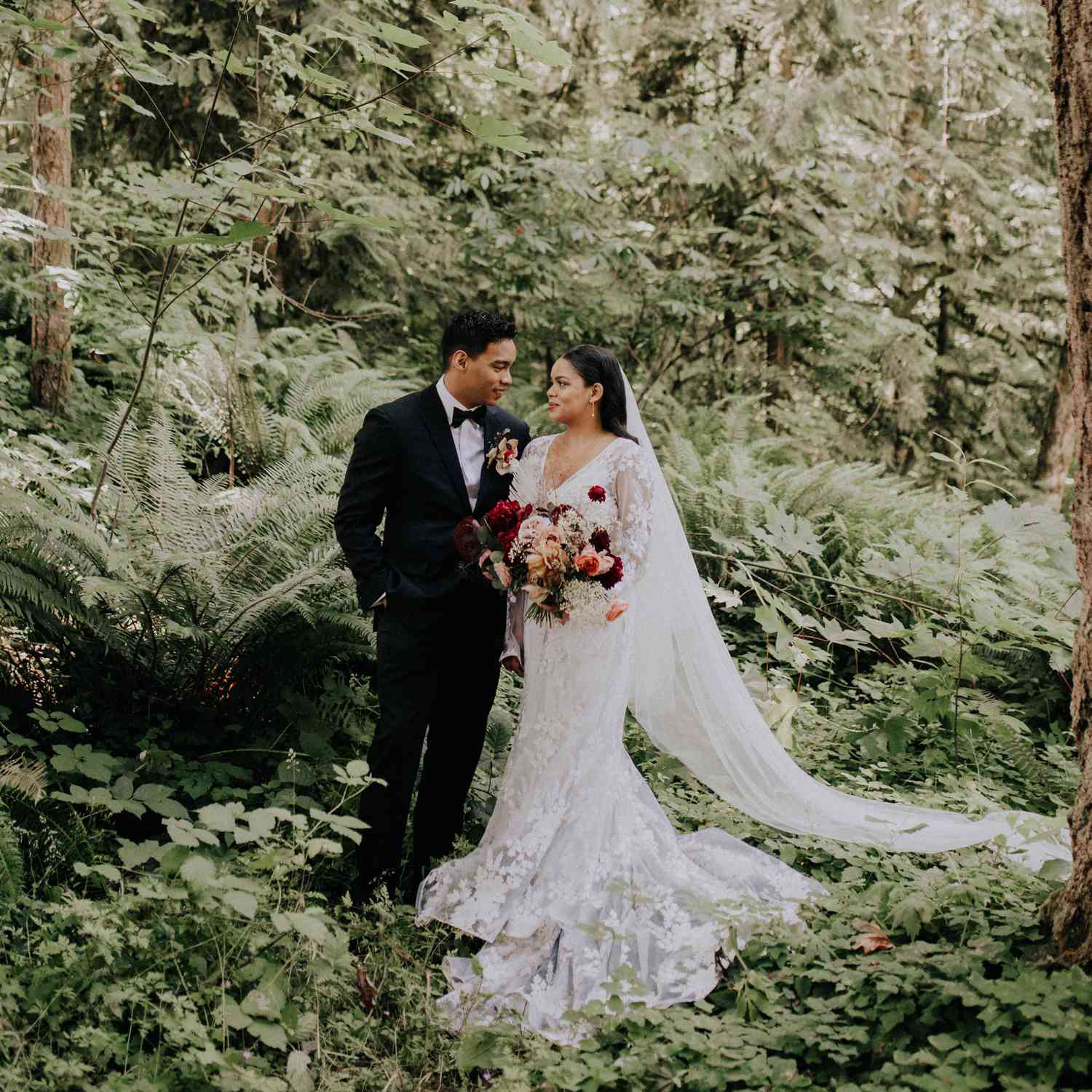
Wedding photography is a specialty in photography that is primarily focused on the photography of events and activities relating to weddings.

Photo of sunset
Fine Art Photography

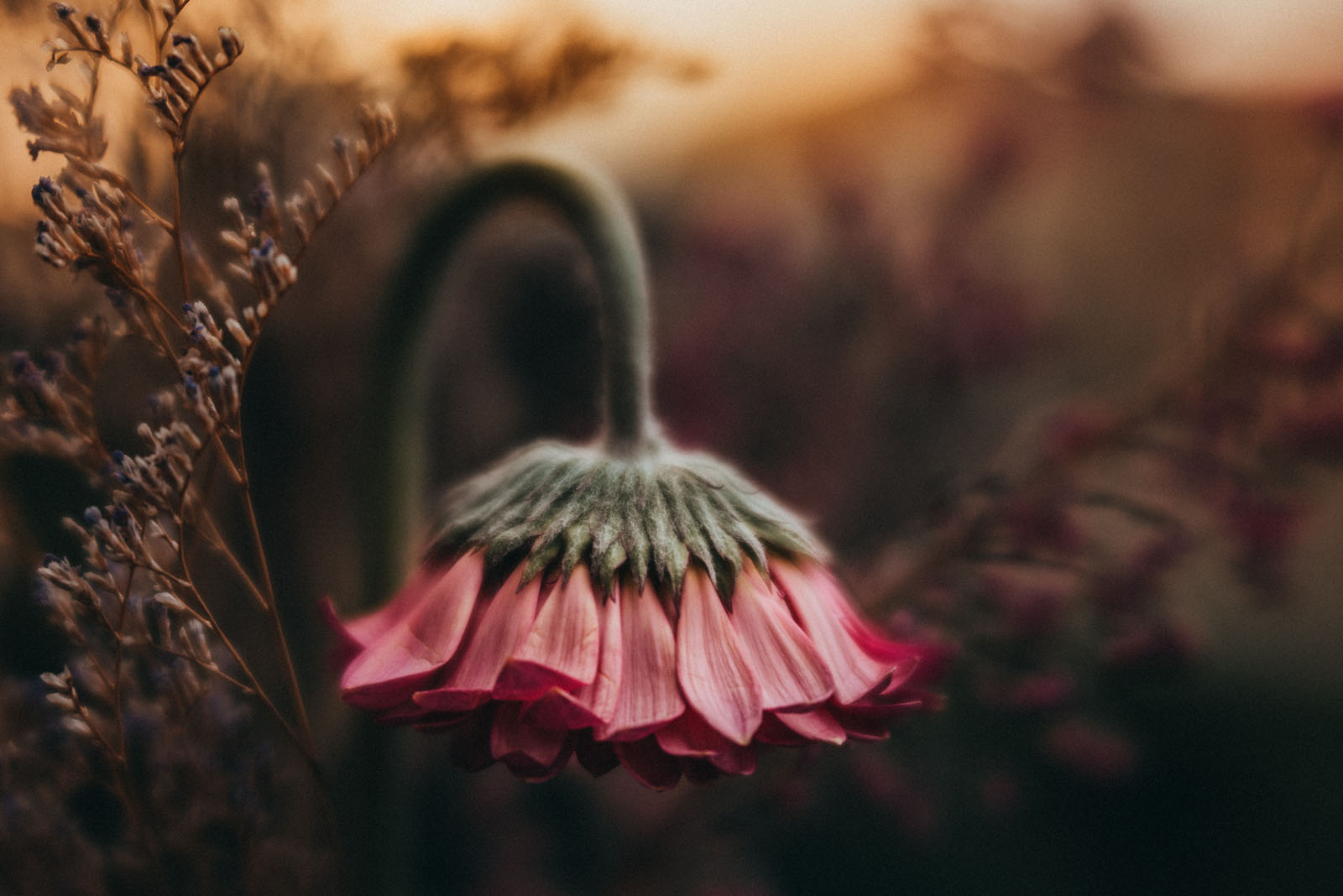
Fine-art photography is photography created in line with the vision of the photographer as artist, using photography as a medium for creative expression.

Photo of sunset
Landscae Photography

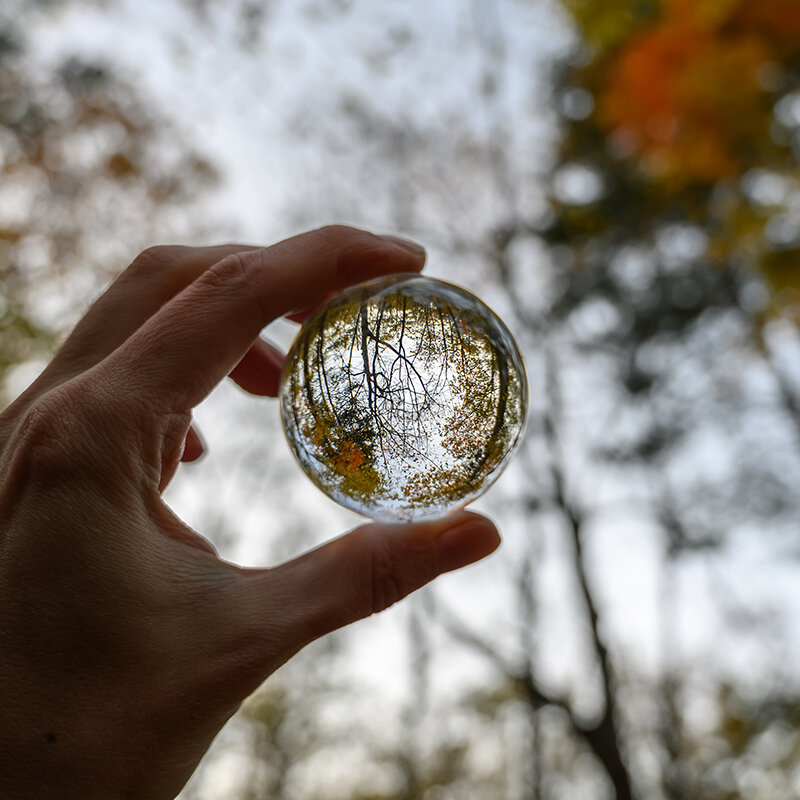
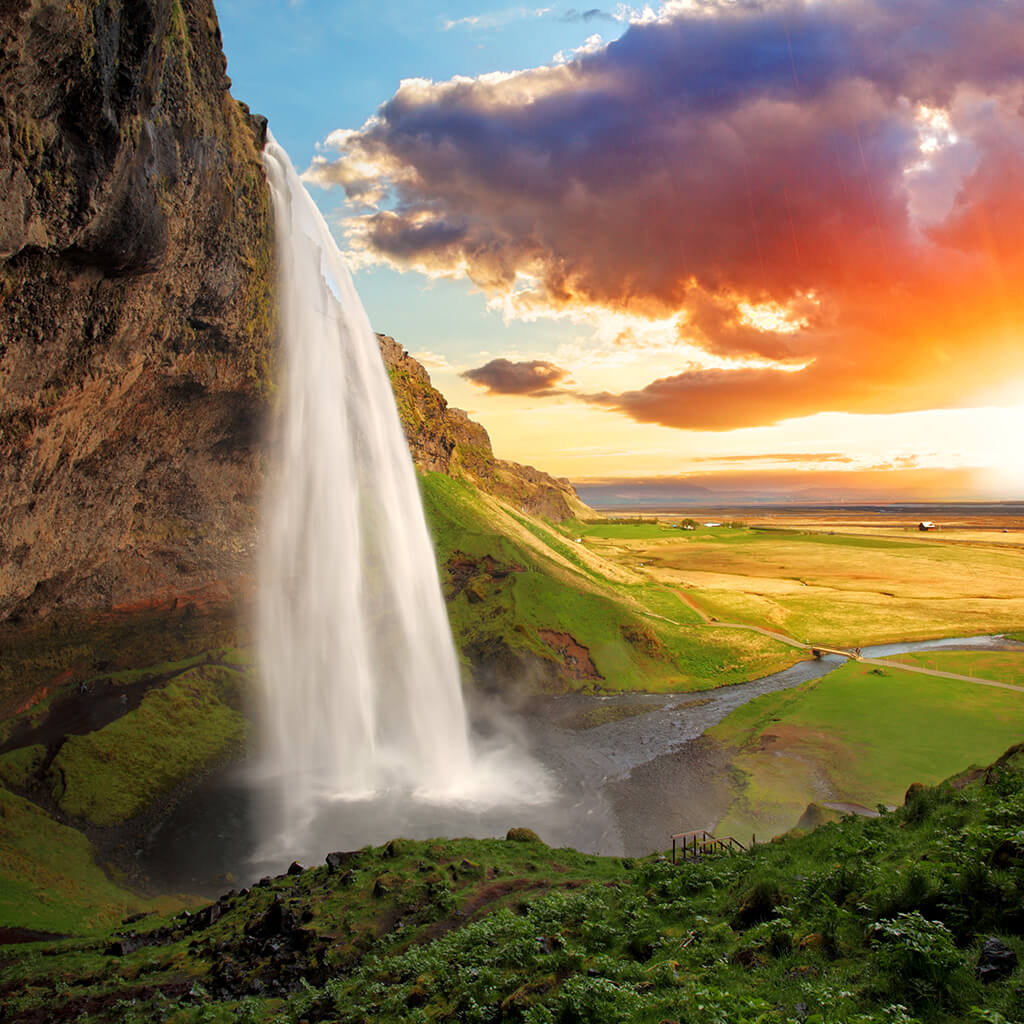
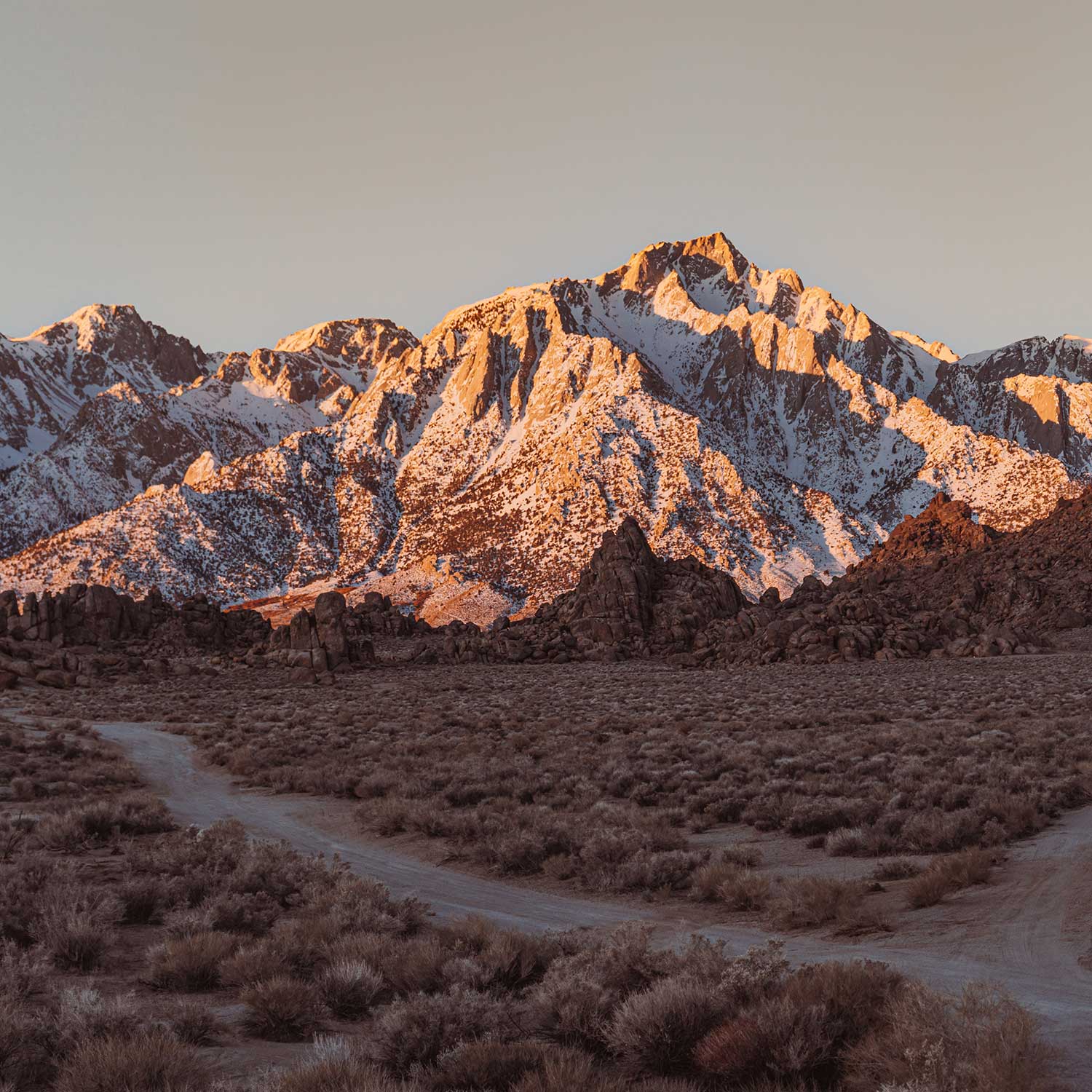
Landscape photography shows the spaces within the world, sometimes vast and unending, but other times microscopic.

Photo of sunset
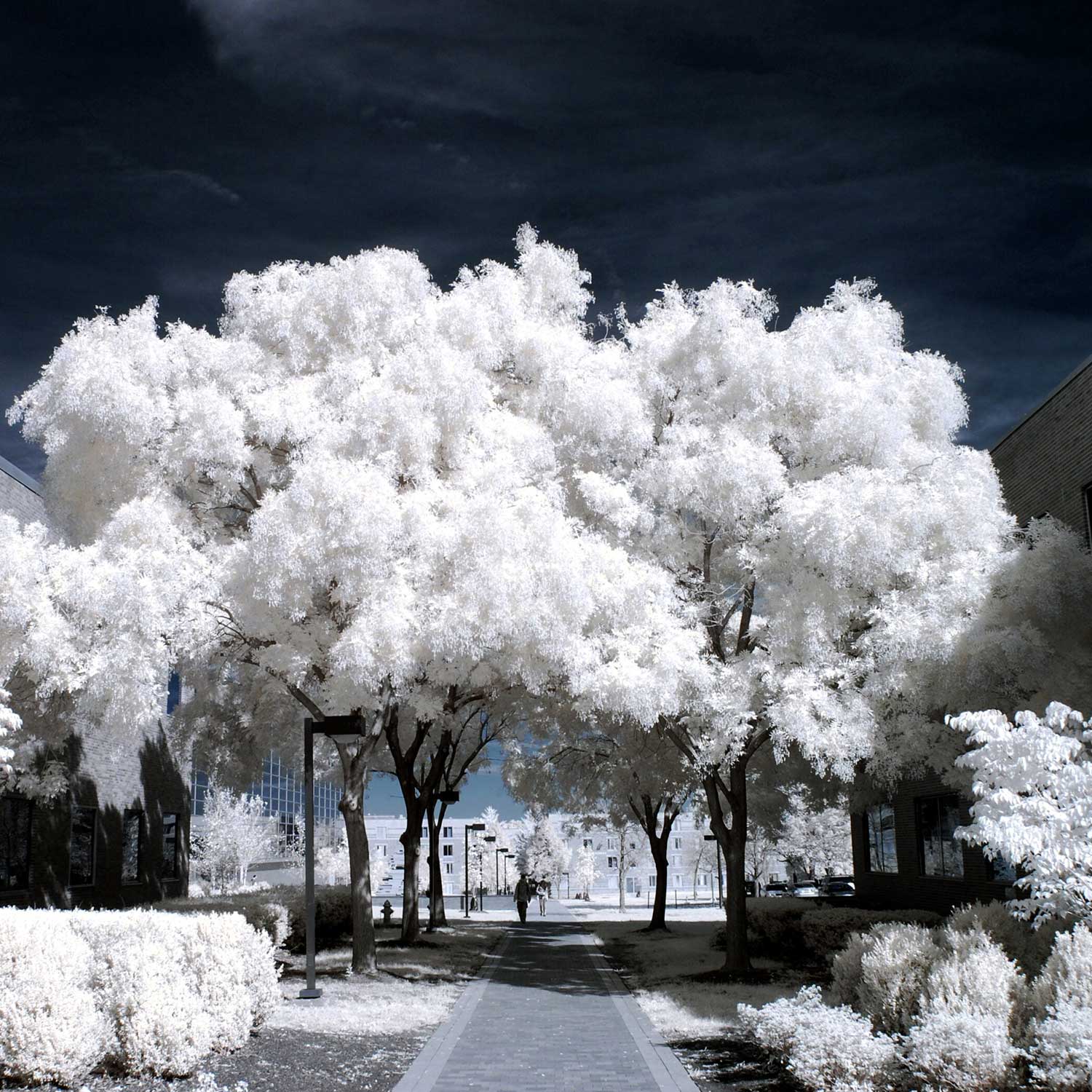
Infrared Photography

In infrared photography, the film or image sensor used is sensitive to infrared light.

Most DSLRs are weatherproof these days and can handle a light mist or a few drops of water. However, if you’re out and about in a torrential downpour, make sure to protect your camera.You don’t have to bring out the bulky protective gear for every shoot. An easy way to waterproof your gear is to buy a rain sleeve, or go for a practical DIY solution. Grab a plastic bag, place it over your lens, screw on the lens hood, cut a hole in the bag, and voilà! You have your own rain sleeve.If you don’t have access to these things, simply grab an umbrella and find a dry area where you can take photos. You can also stay in your car or indoors and shoot through a window. When you’re done, just remember to use a lens cloth to dry off any rain drops on the lens and to towel dry the rest of your gear.Once the rain clouds have cleared and the streets are slick with puddles, you can play around with the reflections that are left on the ground.Filmmakers and photographers often recreate this effect by tossing water on the ground to capture striking reflections. Utilize nature’s gift and get outside in between showers.You can get that futuristic Blade Runner look by exploring wet city streets at night.
image
Sample photo Sample photo Sample photo Sample photo Sample photo Sample photo Sample photo Sample photo Sample photo Sample photo